
Conventional geophysical survey services
Sixense offers conventional geophysical survey services as part of its wider engineering and ground investigation capabilities..
These services focus on non-invasive techniques to “see” beneath the ground surface, using methods such as seismic, electrical, or electromagnetic measurements to build a picture of subsurface conditions. By collecting and interpreting geophysical data, Sixense helps clients gain a continuous and comprehensive understanding of soil and rock properties without the need for extensive excavation or drilling.
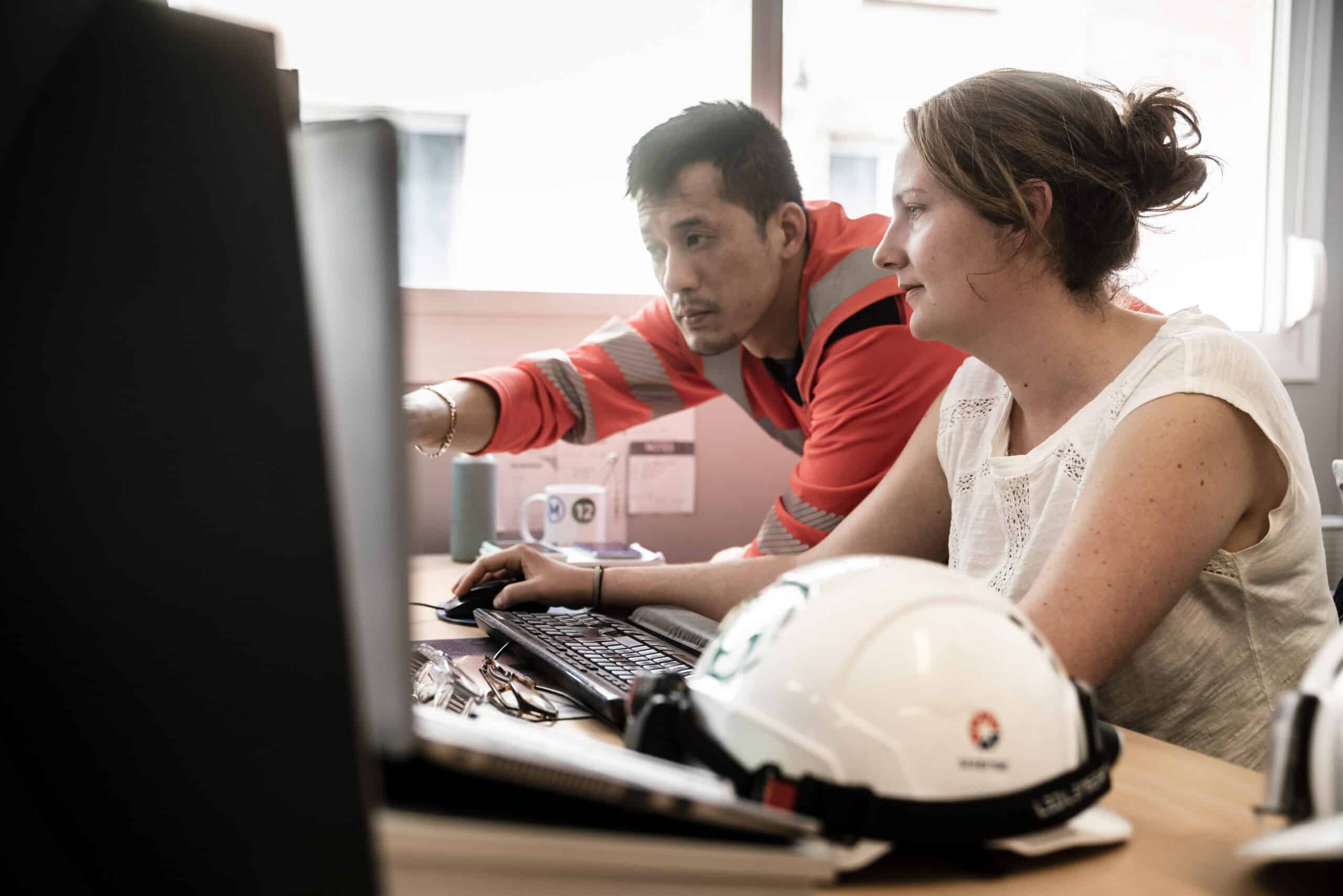
One of the primary uses of Sixense’s conventional geophysical surveys is subsoil characterisation and modelling. These surveys allow engineers to visualise geological layers, identify variations in soil composition, and refine ground models in two or three dimensions. This is particularly valuable in complex environments—such as urban areas or mountainous terrain – where traditional investigation methods may be limited. By enhancing geotechnical models with continuous data, these surveys support better-informed design decisions for foundations, tunnels, and other infrastructure projects.
Another key application is risk reduction and safety assurance in construction projects. Conventional geophysics can detect underground hazards such as cavities, voids, faults, or buried objects (e.g., old foundations or tanks) before construction begins. Identifying these features early helps prevent structural failures, ground collapse, or costly delays. Sixense’s services are therefore widely used in transport infrastructure (roads, rail, tunnels), urban development, and large-scale engineering works where understanding subsurface risks is critical to protecting both people and assets.
Sixense’s surveys are also used for monitoring and diagnosing ground and infrastructure conditions over time. For example, geophysical methods can assess the integrity of earthworks, evaluate ground improvement techniques, or measure dynamic soil parameters such as stiffness and seismic velocity. They can also detect issues like water leakage or track underground fluid movement. Because the techniques are non-invasive and repeatable, they are well suited for ongoing monitoring throughout the lifecycle of infrastructure—from construction through to operation and maintenance.
Finally, conventional geophysical surveys support environmental and resource-related investigations, including hydro geophysics and water management. These methods can locate aquifers, map groundwater flow, and improve understanding of subsurface geology for resource exploitation or environmental protection. More broadly, Sixense uses these surveys to provide fast, economical, and eco-friendly site reconnaissance, enabling clients to optimise project design, minimise environmental impact, and make informed decisions based on reliable subsurface data.