
A survey system that uses interferometric radar technology to capture high-frequency displacement and vibration data
The 4DVib solution from Sixense is a remote structural inspection system that harnesses interferometric radar technology to capture high-frequency displacement and vibration data without the need for physical access to the structure. Designed for situations where traditional contact-based instruments are impractical or unsafe to install and commission, 4DVib simultaneously monitors multiple points on a structure to deliver precise movement measurements and insights into vibrational behaviour. With measurement accuracy down to just a few microns under optimal conditions, it provides an exceptionally detailed view of how structures respond to dynamic loads and environmental influences.
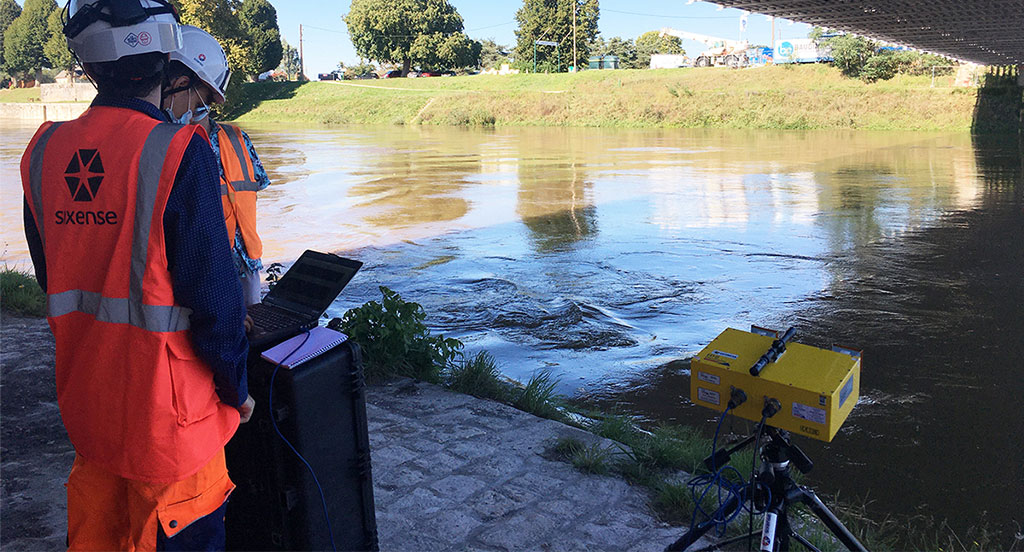
Located facing the target structure, the 4DVib unit emits frequency-modulated electromagnetic waves that allow it to differentiate between points based on their distance and capture their motion over time. This interferometric approach enables the system to record structural displacement, vibration frequencies, and natural modes at very high sampling rates — all from a safe distance and without interfering with ongoing operations. The technology’s ability to measure both static and dynamic responses makes it invaluable for characterising structural behaviour under normal conditions as well as during stress events.
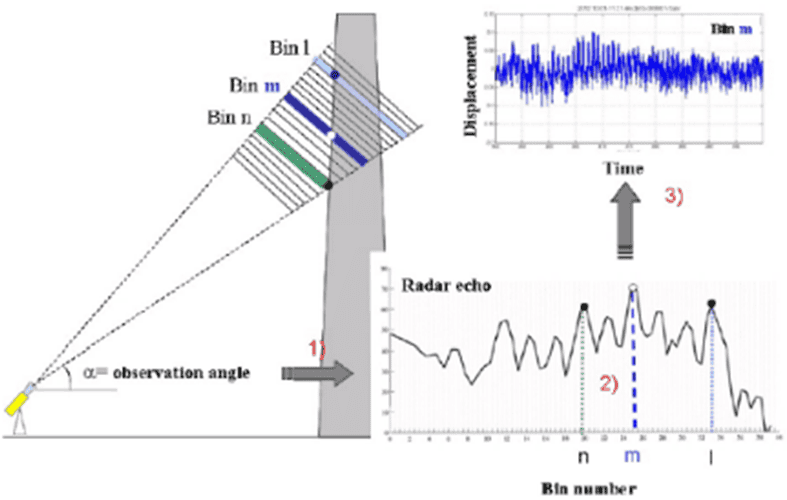
4DVib is the ideal solution where there is a requirement to assess the movement and vibration characteristics of critical infrastructure, including bridges, towers, stay-cable systems, and other complex structures. It supports structural behaviour characterisation, serviceability verification, comfort analysis, seismic resistance evaluation, and acceptance testing — all the while removing the need for physical sensor installation on the structure(s) itself. By combining cutting-edge radar data with Sixense’s expertise in interpretation and simulation, 4DVib delivers timely, actionable insights that enhance safety, optimise maintenance planning, and reduce monitoring costs.
