
Assessment of Load Distribution in Structures with Sixense’s Slotstress® Technology
Sixense’s Slotstress® is a semi-destructive structural assessment technique used to evaluate the internal stress state and load distribution within materials such as concrete, masonry, and rock. It provides engineers with direct, in-situ insight into how forces are actually distributed inside an existing structure – information that is often difficult, or impossible, to obtain through design assumptions or surface-level inspections alone.
Over the lifetime of an infrastructure asset – whether a bridge, tunnel, dam, or building – the internal distribution of stresses can evolve significantly. These changes may result from increased operational loads, environmental effects (such as temperature variations or water ingress), material ageing, creep and shrinkage, or progressive deterioration like cracking and corrosion.
As these factors accumulate, the original load paths within the structure may shift, leading to localized overstressing or underutilization of certain elements. If left unchecked, such imbalances can eventually compromise structural safety and serviceability.
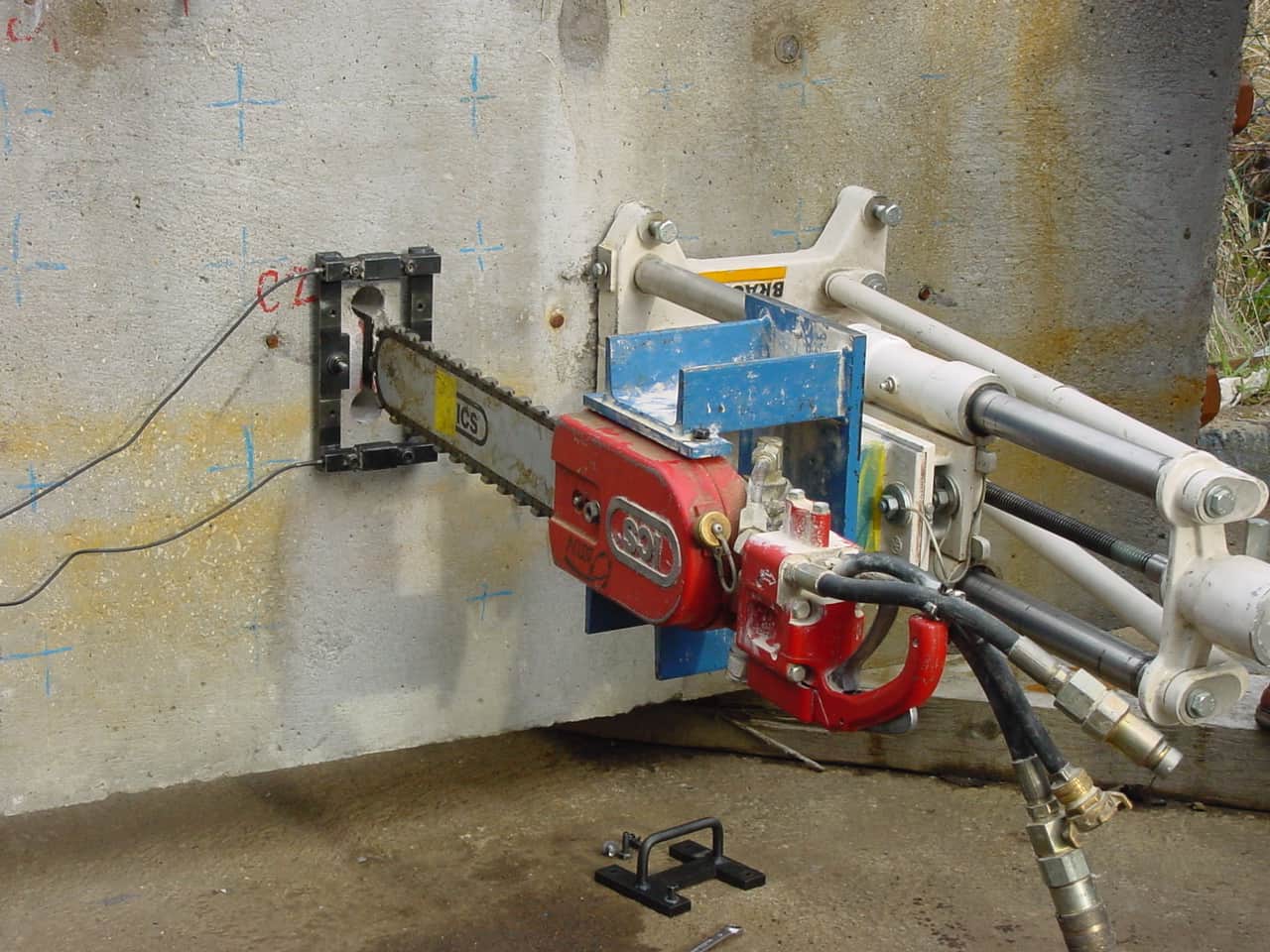
Slotstress® is specifically designed to measure these internal stresses directly. The method is based on the principle of stress relief. A narrow slot is carefully cut into the surface of the structural element at a precisely targeted location. This controlled cut locally releases the stresses that were previously acting within the material.
Highly sensitive displacement or strain sensors – installed around the slot – record the minute deformations that occur as the stresses are relieved. By analysing these measured deformations using calibrated models and material properties, engineers can back-calculate the magnitude and orientation of the original stresses present before the cut was made.
The technique is typically deployed in a systematic manner: engineers first identify critical zones within the structure where stress concentrations are suspected or where verification is required. After installing instrumentation, the slot is introduced incrementally, allowing for continuous monitoring of the material response. This controlled approach ensures both the safety of the operation and the accuracy of the results. Once measurements are complete, the slot can be repaired, restoring the integrity of the structure.
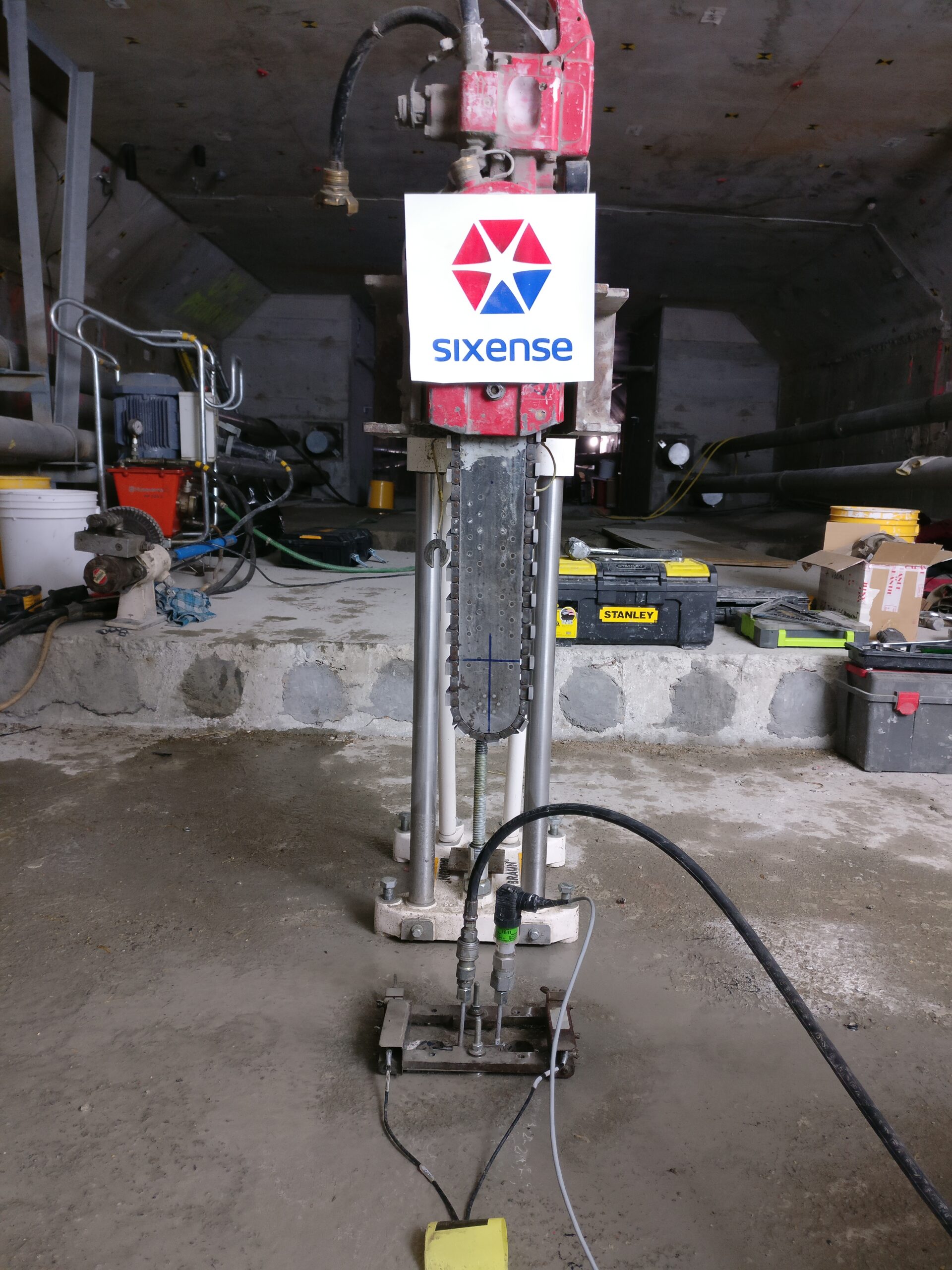
One of the key advantages of Slotstress® is that it provides direct, real-world data from the structure itself, rather than relying solely on theoretical models or indirect indicators. This makes it particularly valuable for assessing ageing infrastructure, structures with unknown construction details, or assets that have undergone modifications or damage over time.
The applications of Slotstress® are wide-ranging. In civil engineering, it is used to assess stress distribution in bridge decks, piers, and abutments; to evaluate tunnel linings and underground caverns; and to analyse retaining walls and dam structures.
It is also applied in geotechnical contexts to understand stress conditions in rock masses and ground support systems.
In all these cases, the technology helps determine whether the current stress levels remain within acceptable limits relative to the material strength and design safety margins, or whether intervention is required.
By delivering precise insight into how loads are truly distributed, Slotstress® enables engineers to make informed decisions about maintenance, strengthening, or load management. It supports the development of optimized asset management strategies by identifying areas of concern early, prioritizing interventions where they are most needed, and avoiding unnecessary or overly conservative repairs.
Ultimately, this leads to safer structures, extended service life, and more efficient use of resources.
